
Deep listening to the places we cherish can ground us, tethering us to the ecosystems we’re part of, laying down memories for a future that’s hard to imagine. Might these soundscapes help shape that future? Is it even possible to sonically rewild landscapes?
Emotional connections
…breaking down the sounds in my head, and mouthing them as I walk—embodying them in new ways.
The creak (and smell) of saddle leather, the dull, four-beat rhythm of walking horses in sand, and the whisper of wind through belah trees (Casuarina cristata) are sounds that instantly transport me back through the decades to life on the family farm. I haven’t ridden a horse in 15 years, and I haven’t heard the whispering belahs of my childhood home for close to 35 years. Yet, the memory of these sounds bring clear, detailed images to mind of the landscape I grew up in, and my movement through that country.
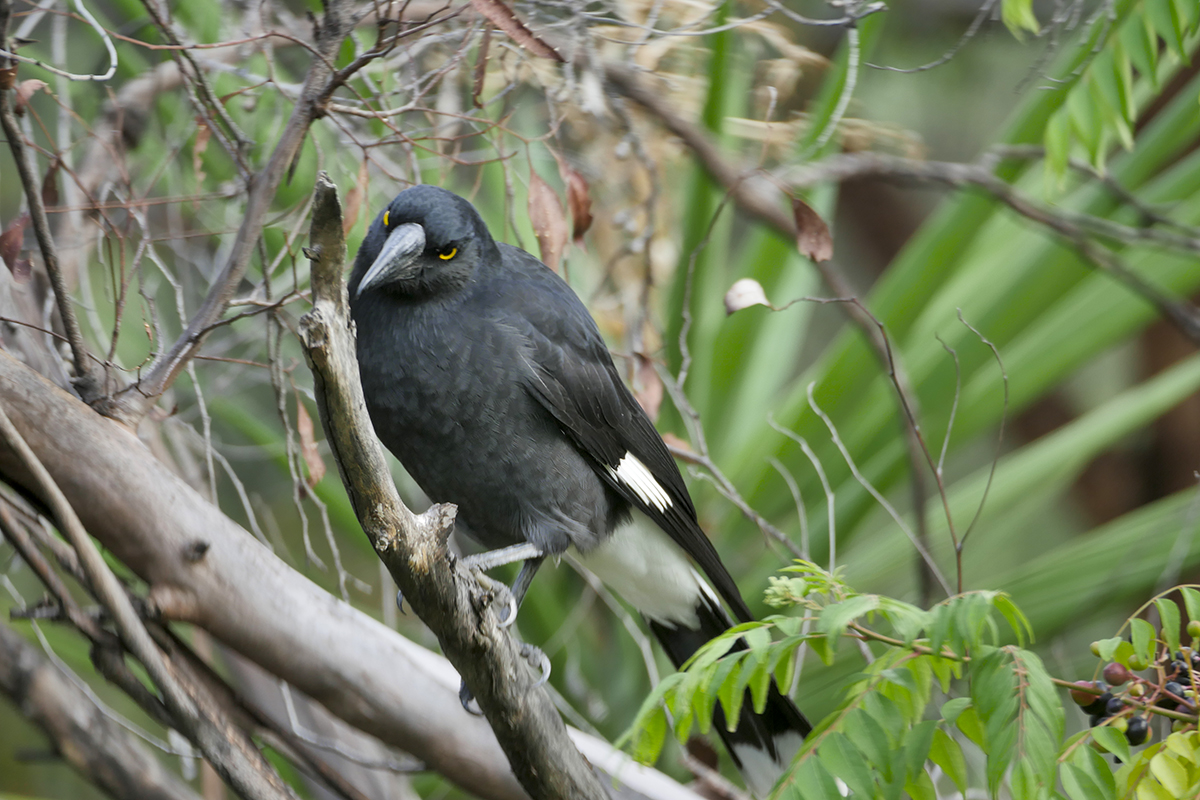
My teen years as a boarder at high school on Sydney’s leafy North Shore were marked by the jarring ring of the school bell and resonant curra-currow-currowks of strutting Currawongs, who took over the school grounds when the hordes of day students returned home.
Currawongs have become more prevalent around my inland bush home in recent years. A few weeks ago, on my return from a weekend in Canberra with some old boarding school friends, the Currawong’s call was the first thing I heard as I got out my car. It instantly brought back the gut gnawing feeling I so often have when I think about those years in Sydney.

In the early mornings of late summer, just after first light, the Currawong’s song reverberates around our shallow valley west of Dubbo. Given its dominance in the soundscape here now, I’ve felt a need to reshape my emotional response to it. Over the past year, I’ve come to enjoy it more by focusing on the bird’s place in the wider soundscape, breaking down the sounds in my head, and mouthing them as I walk—embodying them in new ways.
Powerful memories
Repeated exposure to sounds strengthens neural pathways that, over time, lay down powerful sonic memories.
Are you one of those people who can remember the lyrics of a song from your teens and yet not remember the name of a person you met last week? I’m no good with either.
Sound is more than just a sensory experience; it engages key areas of the brain as we process what might otherwise be just noise—converting sound waves into electric signals. Repeated exposure to sounds strengthens neural pathways that, over time, lay down powerful sonic memories.
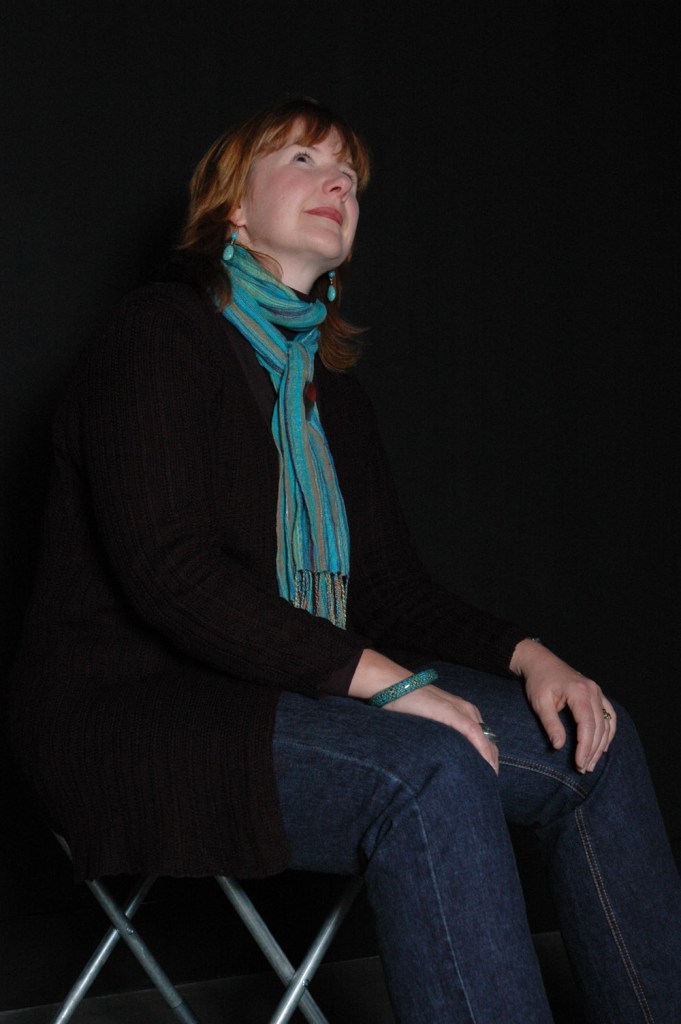
In the winter of 2009, I created an installation for an exhibition that attempted to recreate summer inside the gallery. It was called 2030. The idea played with the sensory experience of increasing global temperatures by an average of 2ºC by 2030. The gallery team and I built a small, two metre by two metre room in the gallery, lined it with black fabric and raised the temperature and humidity two degrees higher than the gallery’s 24ºC. The space was dimly lit and infused with the smell of lemon-scented gum (Corymbia citriodora). A simple, raw soundtrack of cicadas, blowflies, chirruping galahs, and the aa-aaah of a lone Australian raven played on loop. It was a generic representation of the eternal summer.
A visitor to the gallery during the exhibition wrote in the guest book: Thank you for your summer room. It brought back such fond memories of growing up on the Murray River many years ago.
Future soundscapes
How might sonic memory shape our collective future and the places we love, without getting bogged down in stultifying nostalgia?
Since that exhibition, I’ve spent the ensuing years exploring the power of field-recorded sound to evoke memory, wonder, and questions about the natural world we’re so much a part of. Starting with melodic birdsong, frogs and insects, as the technology allowed, I worked my way deeper into acousmatic sounds and the hidden life pulsing beneath the surfaces of our soils, water bodies, and trees. It’s been sonically colourful and endlessly fascinating.

I now feel I’m on the cusp of a new chapter in my life. I don’t know just when the page might turn or where it might take me, but I’m now desperate to ensure I lay down the signature sounds of my current home, a place that has given me so much joy over the past two decades. The planet is also on the cusp of a new chapter in its history—if that page hasn’t already turned. How might sonic memory shape our collective future and the places we love, without getting bogged down in stultifying nostalgia? This isn’t about bringing back sounds of things that have not contributed to the diversity and richness of our natural environments.
I know the soundscapes of the special places I love today would have sounded vastly different 200, 100 and 50 years ago. In that time, Australia has suffered the largest decline in biodiversity of any continent, including the highest rate of extinctions in the modern world. In my lifetime, global wildlife populations have fallen by 69%, on average, between 1970 and 2018. The 2021 Australian State of the Environment reported at least 19 Australian ecosystems have been reported to show signs of collapse or near-collapse. The endpoint is irreversible collapse. Healthy signature sounds of our ecosystems have already been lost.
Rewilding soundscapes
…using our sonic memories to imagine a future where we all might thrive.
The UK seem to be doing more in the space of rewilding soundscapes than anywhere else I know. On World Earth Day 2025, UK sound artist, musician and academic, Alice Eldridge announced the release of an album called Sounds of Rewilding (listen on Bandcamp), made in partnership with record label, Republic of Music. The record is a day in the life of the incredible Knepp Estate in West Sussex in four tracks—recording above and below water in the lag adjacent to the beaver pen on the property. On her Instagram account, Alice said she’s interested in the role that sound and listening can play in regenerate ecological, cultural and socio-ecological systems.
UK organisation Sound Matters have also been working on the idea of sonic rewilding and regenerative soundscaping. In 2022, they were part of a team who won Best Show Garden Award at the Chelsea Flower Show, creating a soundscape installation for the native UK garden display. More recently, one half of the Sound Matters duo, Dr Mike Edwards did a podcast interview with Coconut Thinking’s Bejamin Freud (16 February 2025) about his thoughts on the power of listening and sound in shaping the future. In the second half of the conversation, Mike talks of creating a sound piece used to take senior managers of real estate management company Jones Lang LaSalle, on a sonic journey into the concept of sustainability.
…we realised through creating that, you can show those alternatives—what the future might be like, but doing it through a sound perspective, created something that people listened to, and actually enjoyed listening to. Parts of it were quite harrowing…As Terry Tempest Williams said, there’s beauty in a broken world.
Mike’s book, Soundscapes of Life, is due out in 2025.
Deep listening, getting the bottom of our sonic memories, along with capturing and rewilding the sounds of these places will not be enough to save them if we don’t change our individual and collective behaviours and ensure there’s the political will to lessen the pressures of habitat destruction, reduce our emissions, and bring invasive species under control. We need to adapt, and quickly—using our sonic memories to imagine a future where we all might thrive.
Interested in listening to the signature sounds of trees? Check out the newly launched arboreus.earth website—a virtual global forest of sonic tree portraits.
Further listening/reading
Humi, a commissioned soundscape composition for the Regional Futures project about Regional NSW transitioning to renewable energy future.
Callitris glaucophylla, a soundscape composition recorded in the pine forest near my home during COVID lockdowns.
Sumbios (living together) album on Bandcamp, including the Humi and Callitris glaucophylla tracks.
Other Sumbios blog posts
Subscribe to the seasonal (quarterly) ecoBYTE newsletter with updates from Goldsmith’s Studio, ecoPULSE.art and arboreus.earth, now on Substack. Autumn issue coming soon.
 kvgoldsmithart.com