
Yarngun is a soundscape composition commissioned by Orana Arts for the First Families exhibition at the Maliyan Cultural Centre in Wellington NSW, 2 November – 13 December 2024.
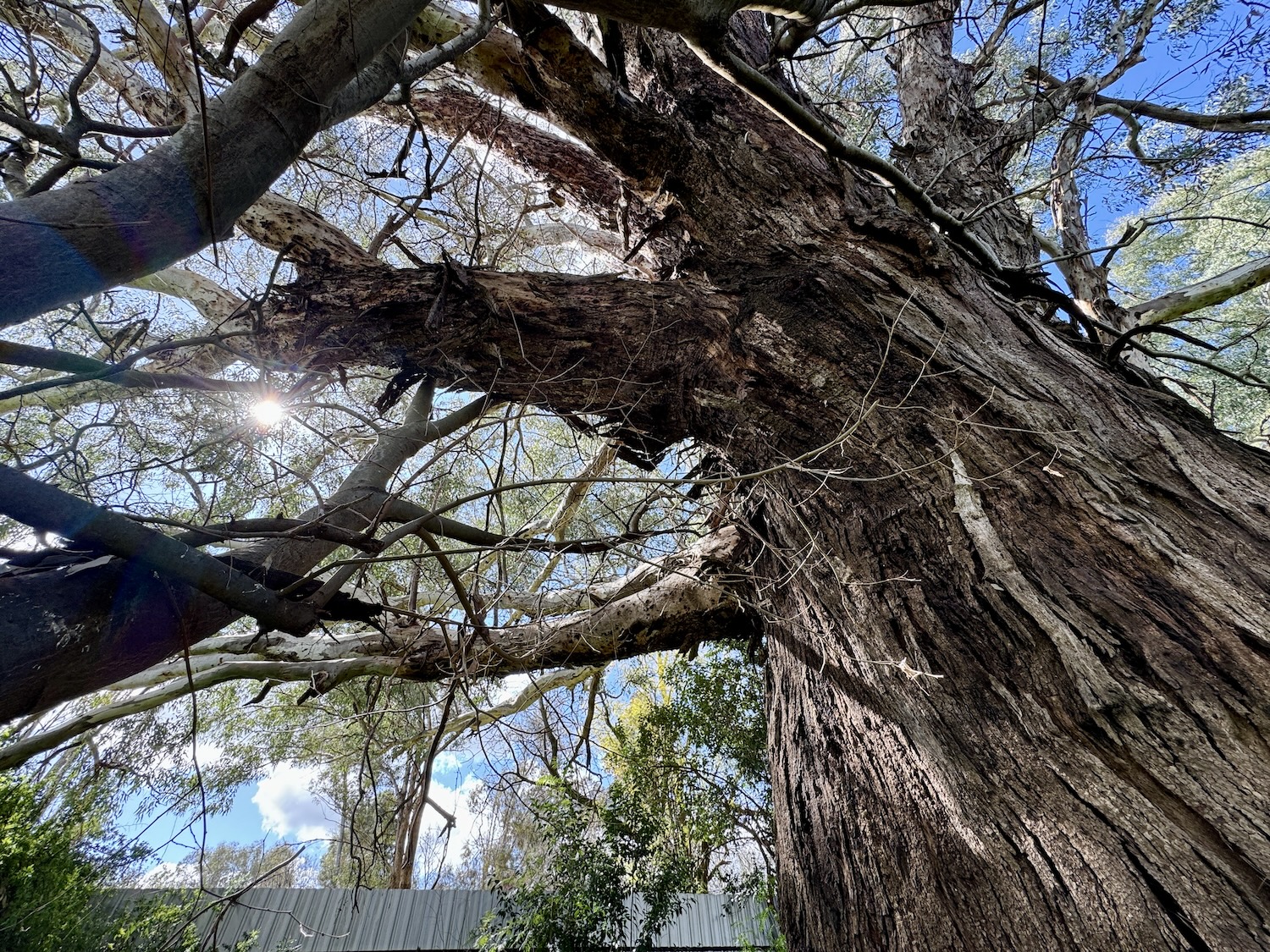
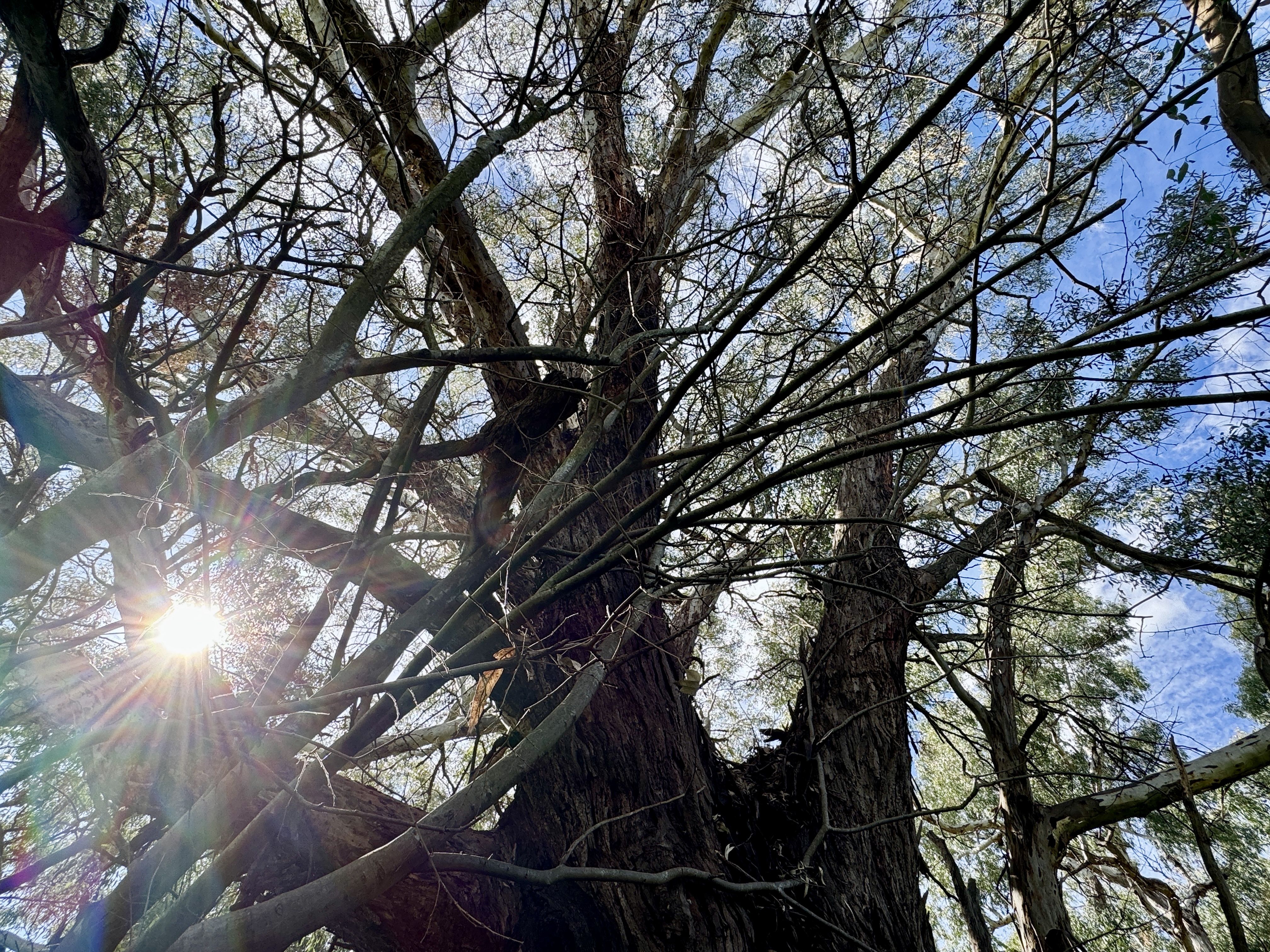
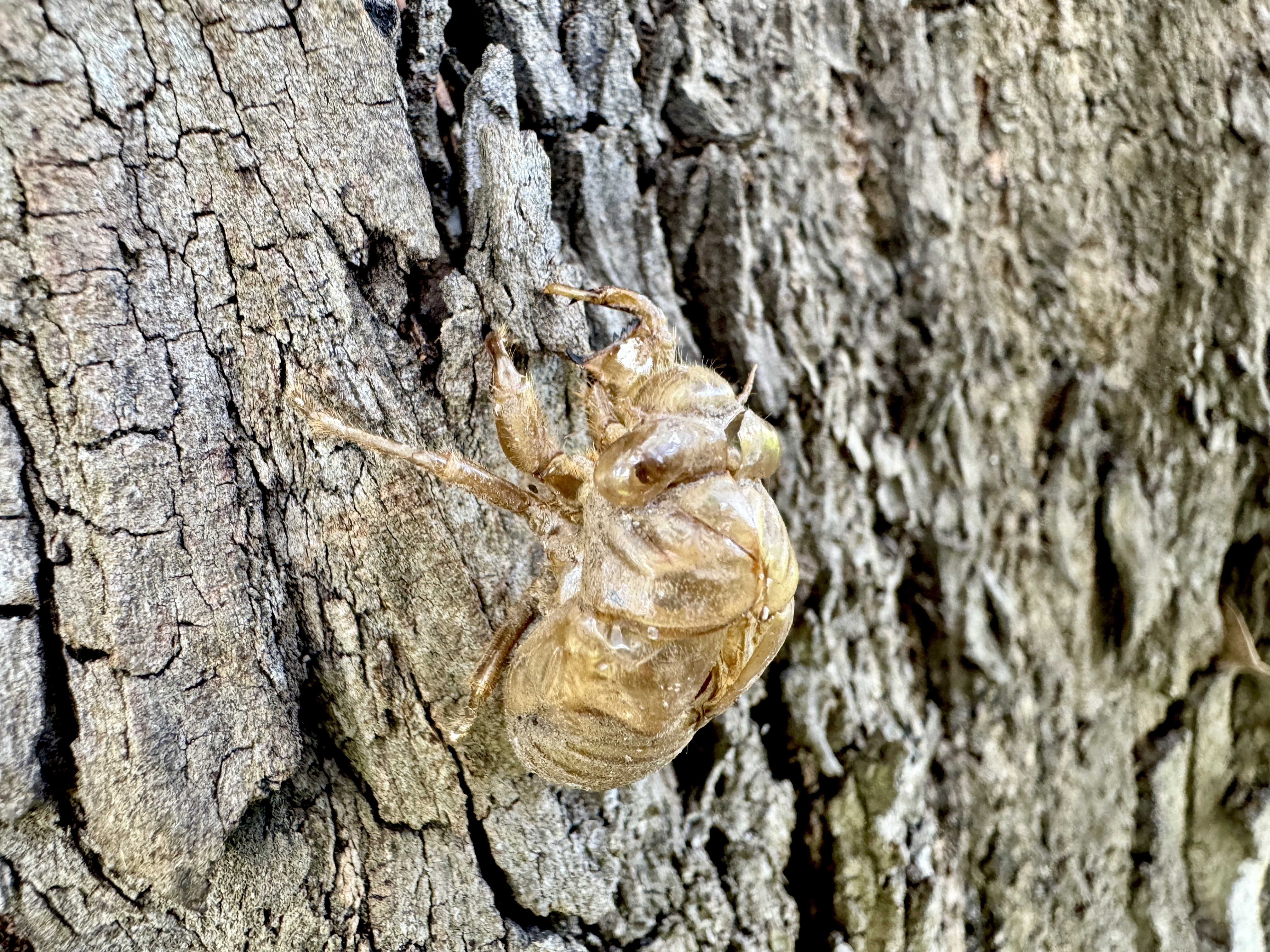
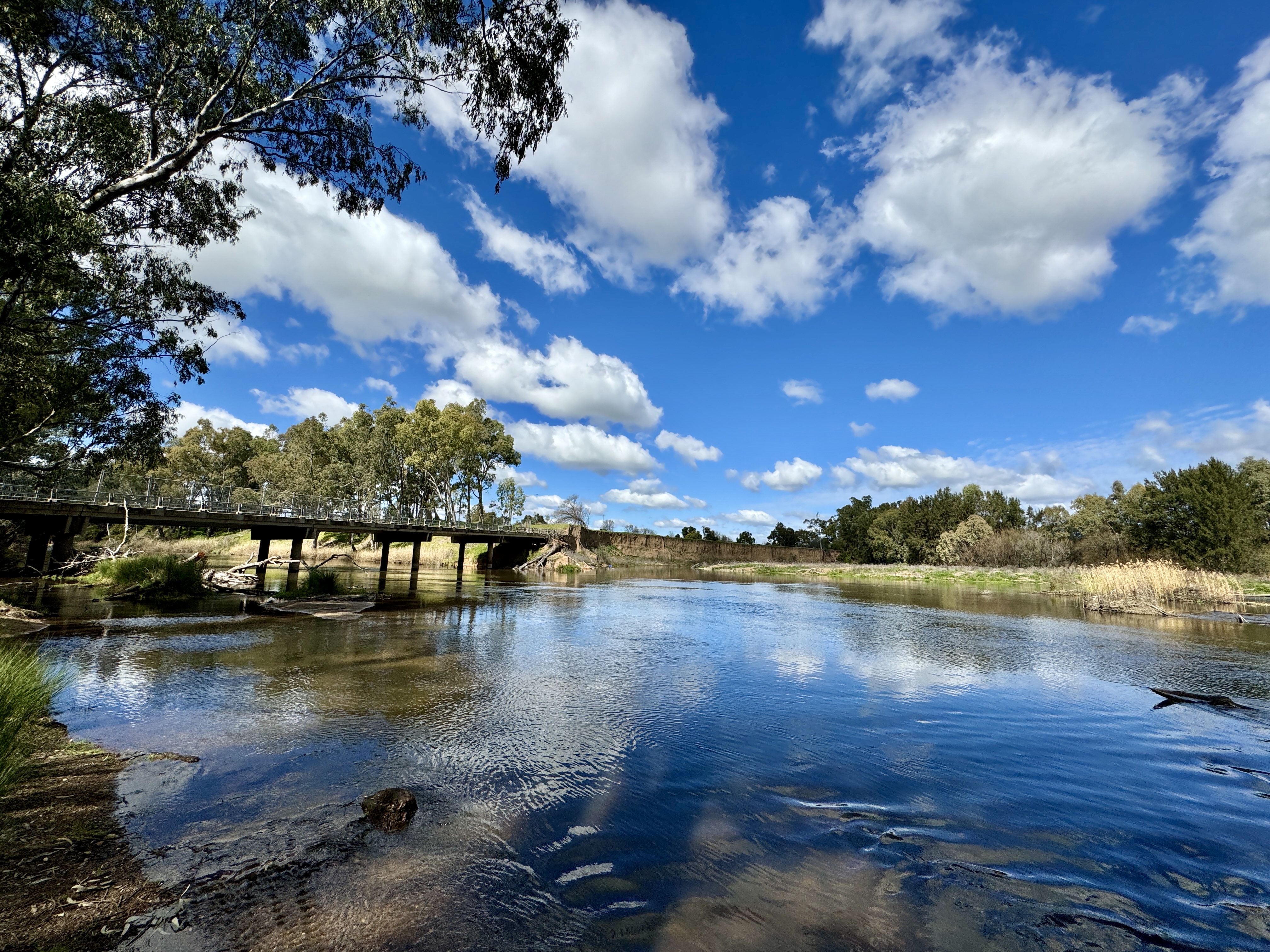
Images: The River Red Gum in the recordings and the site at the junction of the Wambuul Macquarie and Bell Rivers, Wellington NSW, August 2024
🎧 LISTEN ON SOUNDCLOUD (duration 6 minutes)
Work statement
When they came to Australia, my convict and settler ancestors relied on the natural environment of their new country to survive, but found the landscape, its trees and soils unfamiliar and hostile. There are trees alive today in Wellington, New South Wales, Australia,. that bore witness to the injustices of colonisation and settlement in the early 1830s, surviving to mark the generations who followed.
Yarngun explores this history in a composition of field recordings from the junction of the Wambuul Macquarie and Bell Rivers—a site of cultural and historical significance to the traditional owners of the land, the Binjang people of the Wiradjuri Nation, as well as to those who later lay claim. The story is told through the crackles, rumbles and creaks deep inside a majestic River Red Gum (Eucalyptus camaldulensis) that has stood over the river junction for at least 200 years, and the voice of water, wind, leaves, birds, frogs and insects that give this place its sonic identity; and the recorded words of a descendent of one of Wellington’s first families. Yarngun is a traditional Wiradjuri word meaning the roots of a tree—the foundations of living beings that grow, branch, flower and seed new generations.
My deepest gratitude to proud Wiradjuri woman, Kerryann Stanley for sharing her family history journey with me in the creation of this work and giving voice to the importance of knowing your roots to a deep sense of identity and belonging.

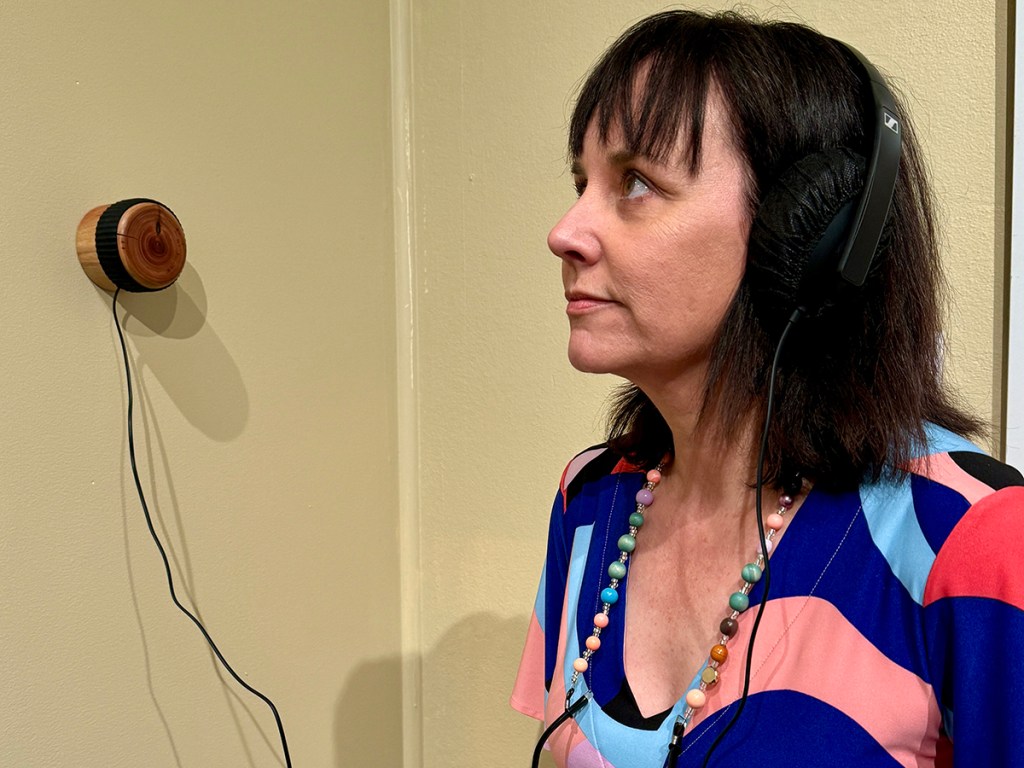


Yarngun exhibition installation, Maliyan Cultural Centre, 6 minute soundscape composition with headphones and an Australian timber, hand-turned vessel (wall mounted).
First Families is a partnership between Wellington Local Aboriginal Land Council, Wellington Aboriginal Corporation Health Service, and Orana Arts funded by the Australian Government’s Regional Arts Fund.
Background
The commissioning of Yarngun gave me an opportunity to explore the history of Wellington as a colonial settlement. It’s the second oldest town in the State after Bathurst.
In creating the work through a collection of field recordings, I spent time getting to know a River Red Gum (Eucalyptus camaldulensis) about 200 metres from the junction of the Bell and Wambuul Macquarie Rivers—a significant site for the Wiradjuri people of the Binjang Valley, on the northern/ Montefiores side of the river near Wellington. River Red Gums are notoriously hard to date, but using the rough diameter algorithm method, I’m guessing it’s at least 200 years old, possibly older. It’s far enough from the river proper to have survived the worst of the big floods that inundate the area.
This tree would have likely put down roots by the time Montefiores village—named after Jewish merchant Jacob Barrow Montefiore, was established in 1840, 6 years before Wellington was gazetted as a town. J.B. Montefiore was granted 5,120 acres on the northern side of the river in 1831, going on to subdivide the western section to create a private village. The Wellington Valley mission was founded by the Anglican Church Missionary Society a year later (1832) with the financial support of the NSW Colonial Government. It was surveyor-general and explorer John Oxley who named the Bell River and Wellington Valley: “The river running through the valley was named Bell’s River, in compliment to Brevet Major Bell, of the 48th Regiment; the valley Wellington Valley.” [19 Aug 1817 journal].
George Evans, also a surveyor-general and explorer, named the Macquarie River in honour of Lieutenant-Colonel Lachlan Macquarie in 1812. In 2021, the NSW Government approved the dual naming of the river, including one of the traditional Wiradjuri names for it—Wambuul.
The history of this tree is inextricably linked to the original families of the Binjang Valley of Wellington, and that of their descendants over the last 207 years. It’s also part of the history of the descendants of the white settler families who have populated the area since. The confluence of the Wambuul and Bell Rivers is an important place for the Binjang people of the Wiradjuri Nation and a significant place in terms of the meeting of two cultures in the early days of settlement, and all that came after that.
 kvgoldsmithart.com